Loading page content
Corporate News

News Center

View customer cases, solutions, technical articles, and company news.

Total 5 articles
DynamicPeers Nasal Irrigator Product Introduction and Design Features
Company news

DynamicPeers Nasal Irrigator Product Introduction and Design Features

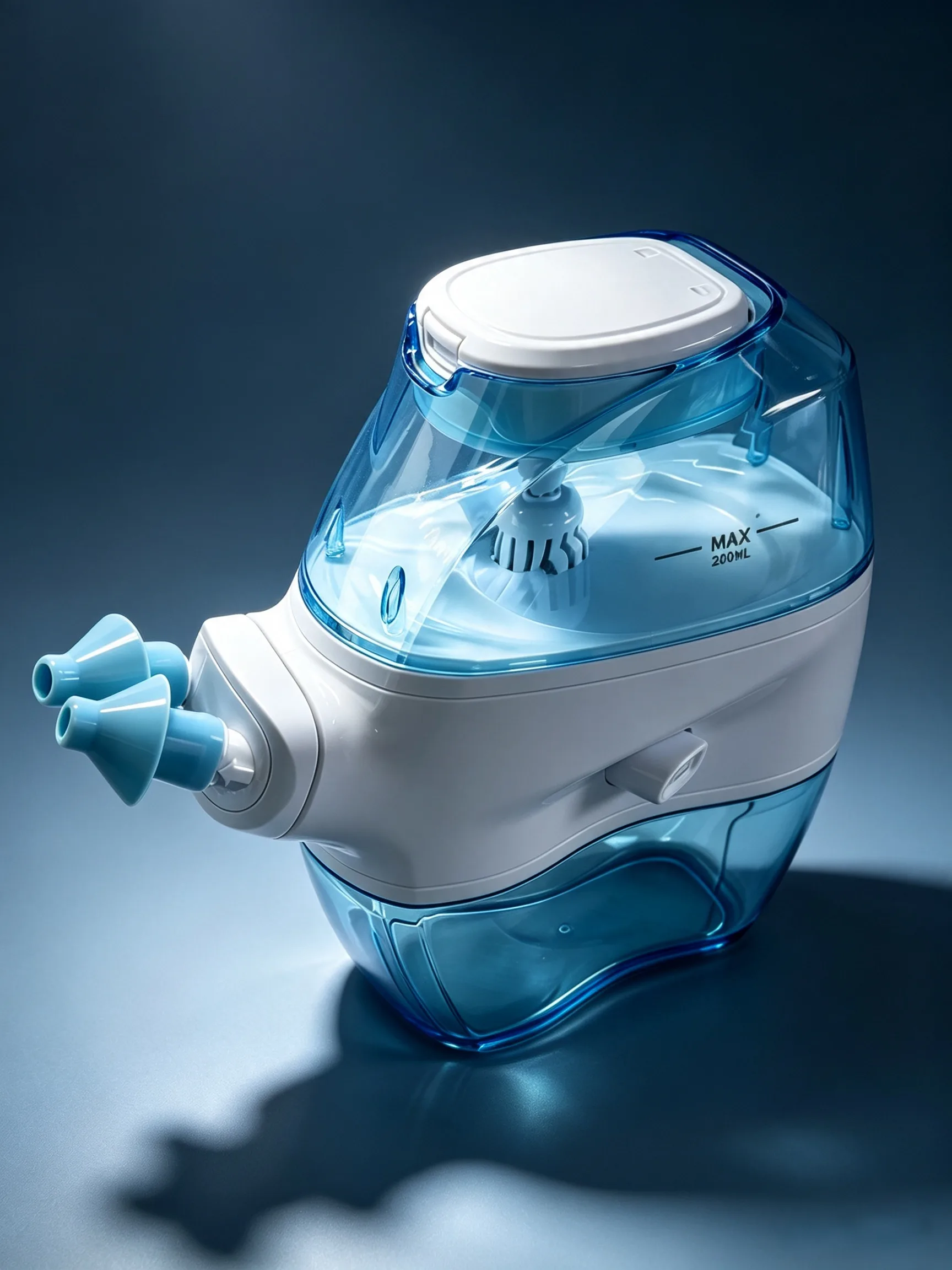
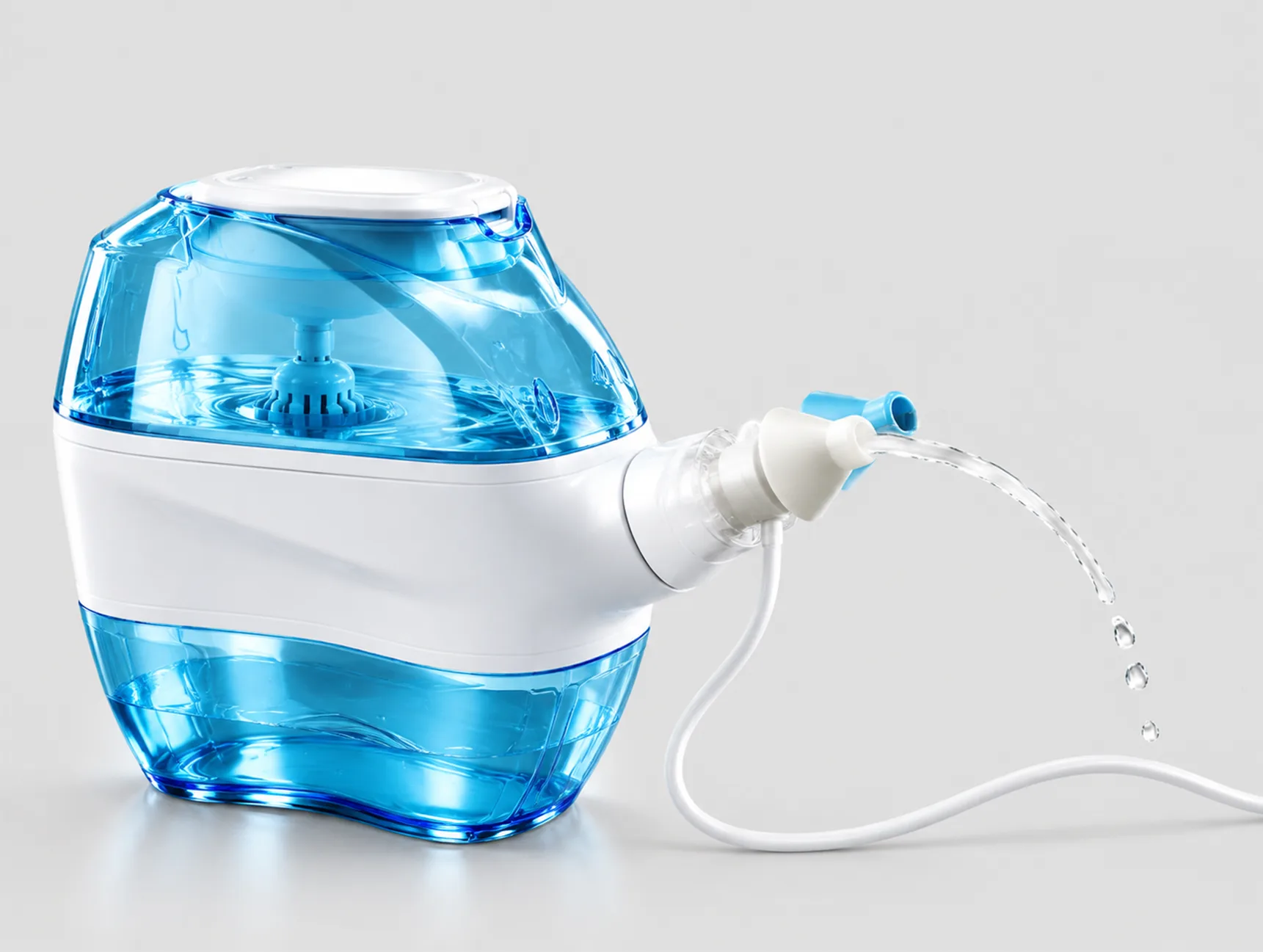
DynamicPeers Nasal Irrigator Product Introduction and Design Features In daily health care, nasal cleaning has gradually become a lifestyle care aspect of concern. A well-designed nasal irrigator needs not only to meet basic nasal flushing needs, but also to balance operation convenience, structural design, daily cleaning, and overall user experience. The CrystalNoel Nasal Irrigator adopts an exterior design combining a white body with a transparent blue water tank, presenting a clean and modern overall style. Through a clear structural layout, intuitive visual presentation, and practical product form, it provides a convenient equipment option for daily nasal care. 1. Minimalist and Modern Product Exterior Design The CrystalNoel Nasal Irrigator uses a color combination of white and transparent blue, presenting a refreshing and concise visual style. The matching of the white body and the blue transparent container makes the overall appearance of the product more harmonious. The rounded body contour and smooth outer lines also make the product more aligned with the design style of modern home health care equipment. This design not only focuses on aesthetic appeal, but also helps build a clear and easily recognizable product image, suitable for family care scenarios and modern personal health care product displays. 2. Transparent Water Tank Design for More Intuitive Liquid Level From the product appearance, the CrystalNoel Nasal Irrigator adopts a transparent blue water tank design, allowing users to observe the internal liquid condition through the transparent area of the container. Compared with completely opaque containers, the transparent design can provide more intuitive visual feedback, making it convenient for users to check the remaining liquid before use and prepare the flushing solution according to the product instructions. The structure, capacity, and specific liquid filling method of the water tank shall be subject to the product specifications and instructions of the corresponding model. 3. Nozzle Structure Design Focusing on Practical User Experience The nozzle is an important component of the nasal irrigator, and its shape, size, and liquid output structure affect the delivery method of the flushing solution and the user experience. The CrystalNoel Nasal Irrigator adopts an independent front nozzle assembly, which forms a unified design language with the white body and the transparent blue water tank. In the product design of nasal irrigators, the nozzle structure usually needs to comprehensively consider the following aspects: Contact comfort: The part of the nozzle in contact with the nose should meet product design requirements to avoid unnecessary friction and irritation. Liquid output structure: The liquid output method of the nozzle should match the working principle and design parameters of the equipment. Connection stability: Connection parts should be installed securely, and check for looseness or damage before use. Cleaning convenience: The nozzle and related parts should be properly cleaned according to product instructions to maintain equipment hygiene. Specific nozzle functions, materials, and applicable scopes shall be subject to the actual configuration of the product. 4. Emphasis on Structural Layout and Operational Convenience A practical nasal irrigator needs to reasonably integrate liquid storage, liquid delivery, nozzle connection, and equipment operation parts. The CrystalNoel Nasal Irrigator adopts an exterior layout combining an integrated body with a front nozzle assembly, paired with an independent transparent water tank area to form a clear product structure. In daily use, a reasonable structural layout helps users identify the main
How to choose a suitable household nasal irrigator for yourself?
Solutions

How to choose a suitable household nasal irrigator for yourself?

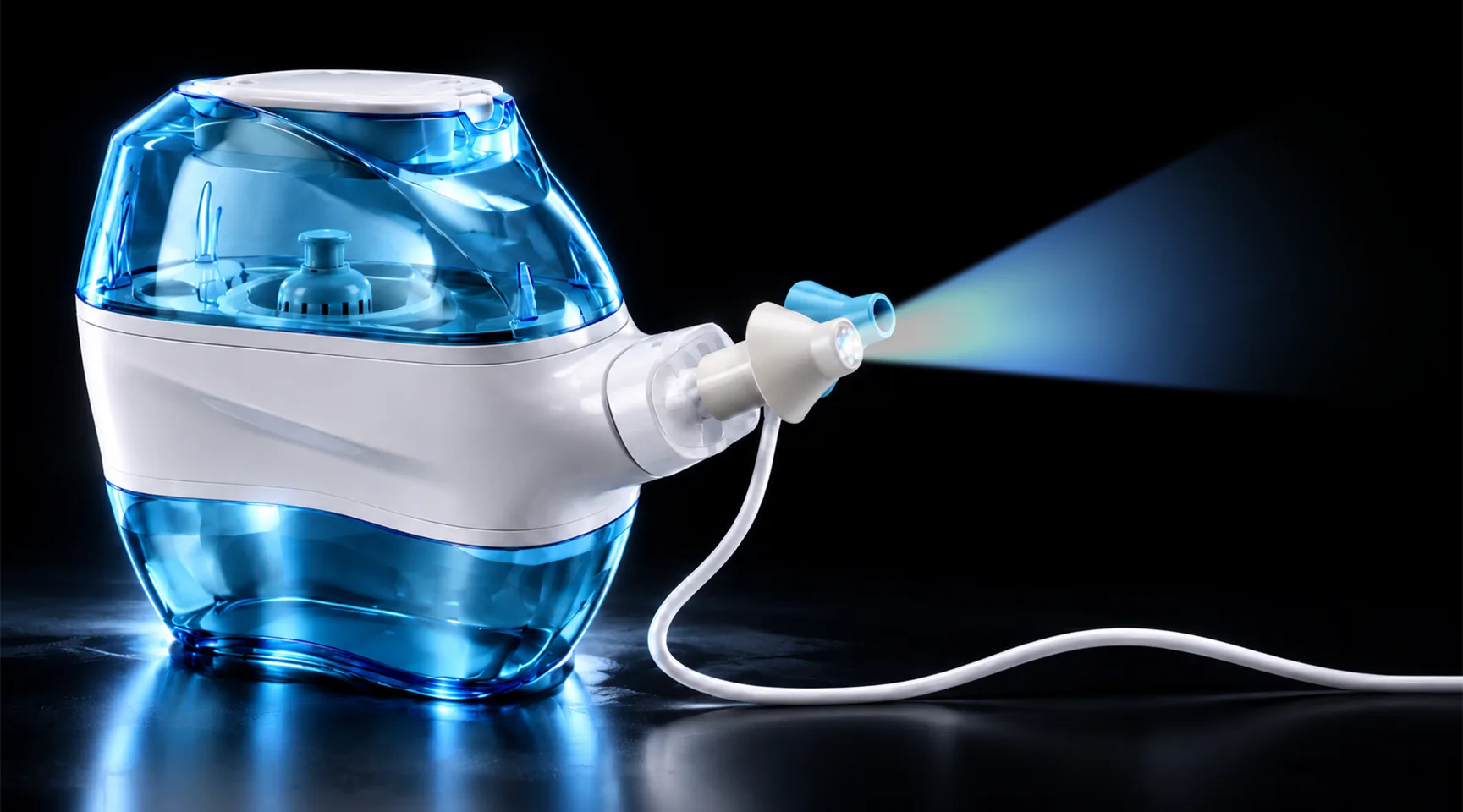
How to choose the right home nasal irrigator for yourself? With the growing attention to daily nasal care, home nasal irrigators have gradually become health care products of interest to many families. Facing nasal irrigators with different types, structures, and functions, how can you choose a product that suits you? In fact, choosing a nasal irrigator cannot rely solely on appearance or price; it also requires a comprehensive consideration of usage needs, irrigation methods, operational convenience, cleaning and maintenance, and product safety. This article will introduce the key points for purchasing a home nasal irrigator from multiple perspectives, helping you understand product differences more clearly and make a choice that fits your personal needs. 1. First, Understand Your Nasal Care Needs Before choosing a nasal irrigator, you can first clarify the main purpose of purchasing the product. 1. Daily Nasal Cleaning If your main goal is to remove some mucus, dust, and other attached particles in the nasal cavity, you can focus on products with simple operation, clear instructions, and easy cleaning and maintenance. PixPin_2026-10-29_17-26-28.jpg 2. Nasal Care During Seasonal Allergies For people with pollen allergies or allergic rhinitis symptoms, appropriate saline nasal irrigation may help alleviate some nasal symptoms. When choosing a product, you should check whether the irrigation method is suitable for your situation and consult a doctor if necessary. 3. Care for Nasal Dryness or Excess Secretions Nasal dryness and increased secretions can have different reasons. Saline sprays and nasal irrigation devices work differently: sprays tend to provide local moisture, while irrigation devices mainly help remove some secretions and attached particles through liquid flow. You should choose based on actual needs without blindly pursuing products with complex functions. 2. Understand the Characteristics of Different Types of Nasal Irrigators Nasal cleaning products on the market vary in structure and working methods, and common types include the following. 1. Manual Nasal Irrigators Manual products usually push the irrigation solution by squeezing a container or through other mechanical methods. Main features: The structure is relatively simple. Models that do not rely on batteries or power sources are common. The usage effect is related to the operation method, squeezing force, and product structure. They are suitable for users considering simple operation methods and wishing to reduce electronic components, but attention should be paid to controlling the force and following product instructions. 2. Electric Nasal Irrigators Electric products usually deliver irrigation solution through an internal power structure, and the specific working method varies by model. Main features: Some products can achieve relatively stable liquid delivery through an electric structure. Some models offer different working modes. Attention needs to be paid to the power supply method, cleaning requirements, and maintenance costs. When purchasing, you should base your decision on the actual product flow rate, pressure, working mode, and safety instructions, and cannot judge the cleaning effect solely based on the "electric" feature. 3. Nasal Saline Sprays Saline sprays usually deliver a small amount of liquid into the nasal cavity in the form of a spray, suitable for some daily moisturizing and local care needs. They are not exactly the same as nasal irrigation devices that use more irrigation solution. If you want to wash away a large amount of mucus or secretions inside the nasal cavity, you should understand the actual purpose of the product and choose accordingly.

Working Principle of Nasal Irrigators: How Does Water Flow Help Clean the Nasal Cavity?
Solutions

Working Principle of Nasal Irrigators: How Does Water Flow Help Clean the Nasal Cavity?

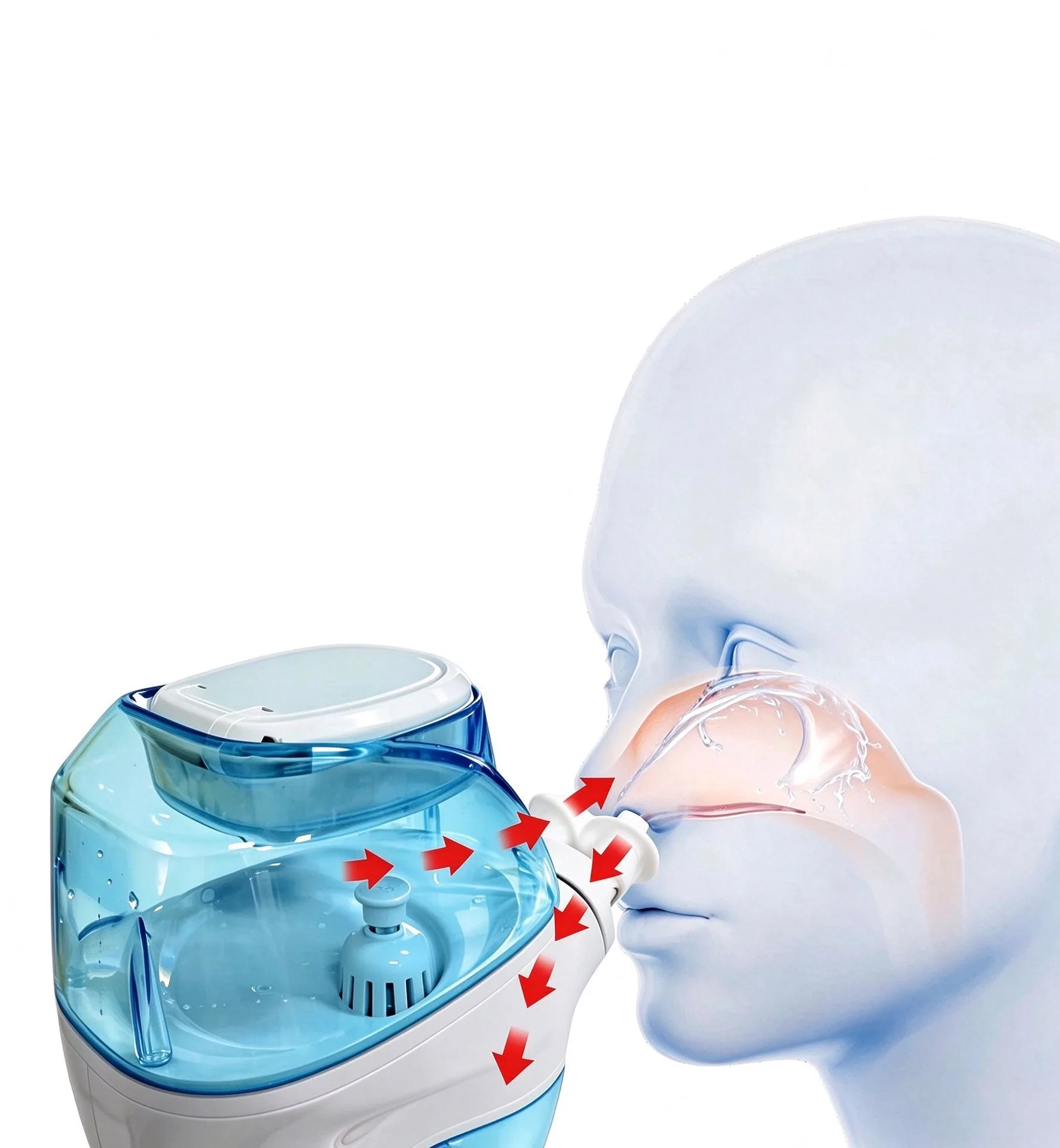
Working Principle of Nasal Irrigators: How Does Water Flow Help Clean the Nasal Cavity? The nasal cavity is an important part of the human respiratory system, undertaking functions such as filtering particulate matter in the air and regulating the temperature and humidity of inhaled air. In daily life, dust, pollen, and nasal secretions may accumulate in the nasal cavity; therefore, scientific nasal cleaning is an important part of daily nasal care. A nasal irrigator is a care device that flushes the nasal cavity with liquid. It uses appropriate water flow to deliver irrigation solution into the nasal cavity, helping to remove some mucus, secretions, and attached particles. Understanding the working principle of nasal irrigators helps us choose and use nasal cleaning products more scientifically. 1. How Does a Nasal Irrigators Work? The basic working principle of a nasal irrigator is to use the flushing action generated by liquid flow to assist in cleaning the inside of the nasal cavity. According to the design of different products, the device may adopt structures such as water pumps, nozzles, water tanks, and control components to realize the delivery and spraying of the irrigation solution. Its working process usually includes the following links. 1. Irrigation Solution Storage Nasal irrigators are usually equipped with liquid storage containers to hold the irrigation solution. Some products adopt a transparent water tank design, which is convenient for users to observe the remaining liquid level. The choice of irrigation solution is very important. Nasal irrigation is usually recommended to use saline of appropriate concentration, such as special nasal washing salt solutions prepared according to product instructions, or finished irrigation solutions meeting usage requirements. 2. Water Flow Delivery After starting the device, the delivery structure inside the product transports the irrigation solution to the nozzle. The water flow pressure, flow rate, and spray method of different products may vary, depending on the structural design of the equipment. A reasonable water flow design helps the irrigation solution smoothly enter the nasal cavity while balancing user comfort and safety. 3. Nozzle Guiding the Irrigation Solution The nozzle is an important part of the nasal irrigator, and its shape, size, and liquid outlet structure will affect the flow method of the irrigation solution. When in use, the nozzle should be placed in a suitable position according to product instructions, and the recommended operation posture should be adopted. The irrigation solution flows in the nasal cavity, which can help loosen and take away some mucus, secretions, and attached particles. It should be noted that the internal structure of the nasal cavity is complex, and the actual irrigation range will be affected by factors such as nozzle design, usage posture, water flow parameters, and personal nasal structure. 4. Discharge of Irrigation Solution Under appropriate irrigation conditions, the liquid can carry some secretions and particles out of the nasal cavity. The correct operation method helps reduce unnecessary discomfort and makes the cleaning process smoother. A nasal irrigator does not directly eliminate all irritants in the nasal cavity through water flow, nor can it guarantee cleaning every area of the nasal cavity. Its main role is to assist in nasal cleaning. 2. Why Can Water Flow Help Clean the Nasal Cavity? The cleaning effect of a nasal irrigator mainly comes from the flushing and flow of the liquid, rather than relying solely on water pressure. 1. Help Clear Nasal Secretions Nasal mucus can adhere to some inhaled particulate matter and participate in the defense process of the respiratory tract. When secretions are abundant or viscous, appropriate saline irrigation helps loosen them and assists in their discharge. 2. Help Flush Some Attached Particles Dust, pollen, and other particles in the air may adhere to the nasal mucus

How to Use a Nasal Irrigator Correctly? Complete Operation Guide
Technical articles

How to Use a Nasal Irrigator Correctly? Complete Operation Guide

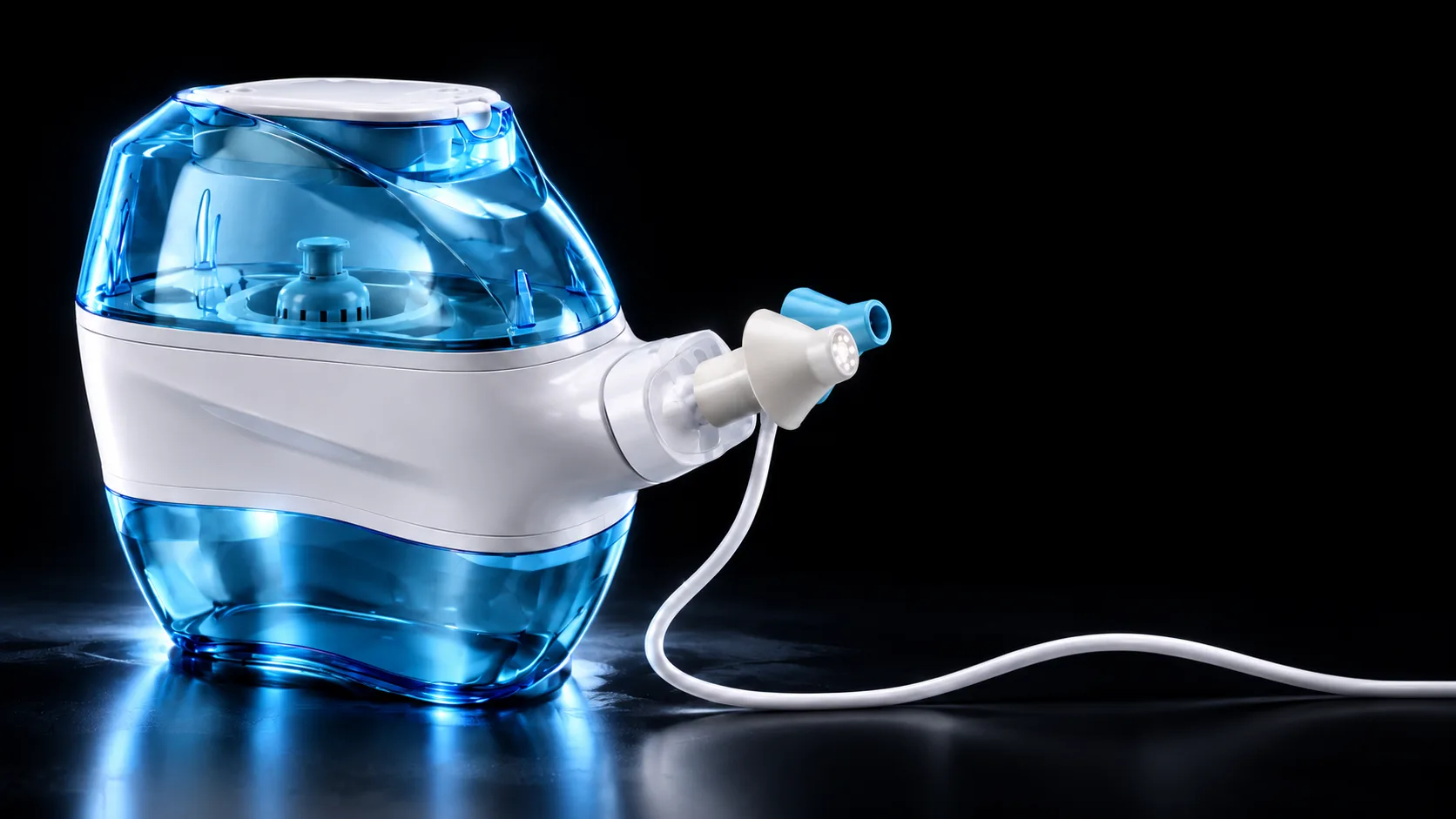
How to Use a Nasal Irrigator Correctly? Complete Operation Guide Article Summary: A nasal irrigator is an auxiliary tool for daily nasal care. Correctly choosing the rinsing solution, mastering the usage steps, and properly cleaning the equipment help enhance user experience and safety. This article introduces how to use a nasal irrigator scientifically from aspects such as pre-use preparation, operation steps, cleaning and maintenance, and common FAQs. I. Why Use a Nasal Irrigator Correctly? The nasal cavity is an important part of the human respiratory system, helping to filter some particulate matter from inhaled air and participating in respiratory defense through nasal mucus and cilia. In daily life, dust, pollen, and nasal secretions may accumulate in the nasal cavity. Appropriate saline nasal irrigation can help remove some mucus, secretions, and attached particles, and may also help alleviate nasal symptoms in some patients with allergic rhinitis. However, the effectiveness of a nasal irrigator depends not only on the product itself but also on the choice of rinsing solution, operation methods, and equipment cleanliness. Mastering the correct usage method is an important step toward safe nasal care. II. What Needs to Be Prepared Before Using a Nasal Irrigator? 1. Choose the appropriate rinsing solution Nasal irrigation is usually recommended to be performed with saline of an appropriate concentration, such as a solution prepared with dedicated nasal wash salt according to instructions, or a ready-to-use rinsing solution meeting product requirements. It is not recommended to directly use plain water instead of saline, as inappropriate solutions may irritate the nasal mucosa. 2. Use safe water sources This is a very important safety aspect during the nasal irrigation process. Distilled water, sterile water, or water that has been boiled and cooled should be used to prepare the rinsing solution. Even if tap water meets daily drinking standards, it does not mean it can be used directly for nasal irrigation. According to recommendations from the Centers for Disease Control and Prevention (CDC), tap water should be thoroughly boiled and cooled before use; boil for at least 1 minute under general altitude conditions, and extend the time according to relevant guidelines in high-altitude areas. Specific preparation methods should also follow the nasal wash salt and equipment instruction manual. 3. Check equipment status Before use, confirm that: The water tank is clean with no obvious stains or residual liquid. The nozzle and connecting parts are installed correctly without obvious damage. The device and related components have been cleaned and dried according to instructions. The power supply, charging status, and other operating components are normal. If the device has water leakage, abnormal noise, loose parts, or other issues, stop using and inspect it first. III. How to Use a Nasal Irrigator Correctly? Five-Step Operation Guide Step 1: Clean hands and prepare the rinsing solution Wash hands with soap and water before use. Prepare saline of an appropriate concentration according to product instructions, and confirm that the liquid temperature is appropriate—do not use excessively hot liquids. Avoid adding essential oils, disinfectants, or other substances not permitted by the product instructions on your own. Step 2: Add the rinsing solution according to instructions Add the prepared rinsing solution into the device water tank, taking care not to exceed the maximum capacity marked on the product. If the device requires the installation of a nozzle or other accessories, connect them correctly according to the instruction manual. Do not randomly disassemble parts while the device is running. Step 3: Adjust posture and position the nozzle

Science Popularization | Scientific Nasal Rinsing Makes Nasal Cleaning Simpler
Technical articles

Science Popularization | Scientific Nasal Rinsing Makes Nasal Cleaning Simpler

01 Why Pay Attention to Nasal Cleaning? The nasal cavity is an important part of the human respiratory system and the first line of defense for air entering the respiratory tract. Nasal hairs, mucus, and nasal cilia work together to filter, adhere to, and remove dust, particulate matter, and other substances from the air. In daily life, dust, pollen, and other environmental particles in the air may deposit in the nasal cavity. Performing appropriate nasal cleaning helps flush out secretions and some irritants in the nasal cavity, making nasal care more scientific and convenient. 02 What Is the Working Principle of a Nasal Irrigator? A nasal irrigator delivers a suitable rinsing solution into the nasal cavity via a nozzle, and with the help of liquid flow, assists in rinsing out mucus, secretions, and some attached particles in the nasal cavity. Unlike simply wiping the nose, nasal irrigation allows the rinsing solution to contact parts of the interior of the nasal cavity, providing assistance for daily nasal cleaning. 03 What Are the Benefits of Daily Nasal Rinsing? Auxiliary Nasal Cleaning: Helps flush out secretions and some environmental particles in the nasal cavity. Helps Clear Mucus: Assists in clearing excessive or thick nasal secretions. Helps Alleviate Some Nasal Discomfort: Appropriate saline nasal irrigation may help relieve symptoms related to allergic rhinitis. Convenient for Daily Care: Using a suitable nasal irrigation device can make the nasal cleaning process more convenient. 04 How to Use a Nasal Irrigator Scientifically? Step 1: Choose the Appropriate Rinsing Solution Prioritize saline of an appropriate concentration prepared with dedicated nasal wash salt, or ready-to-use rinsing solutions meeting product instructions. Do not directly use untreated tap water to rinse the nasal cavity. Step 2: Adopt a Gentle Rinsing Method Select the appropriate mode and nozzle according to product instructions, stay relaxed, and avoid excessive water pressure causing discomfort. Step 3: Pay Attention to Equipment Cleaning Clean and thoroughly dry washable components after each use according to instructions to prevent residual liquid from breeding microorganisms. Step 4: Pay Attention to Physical Sensations If obvious pain, nosebleeds, ear discomfort, or other abnormal conditions occur, stop use and consult professional medical personnel. 05 Scientific Nasal Rinsing: Safety Is Equally Important Nasal rinsing is a way to assist with nasal care and cannot replace disease diagnosis or treatment. Operation should be based on the product's applicable population and instructions; infants, post-nasal surgery populations, and individuals with special nasal conditions should consult a doctor first. Choosing the right rinsing solution, correct usage methods, and good cleaning habits ensures safer daily nasal care.